
We don’t improvise our way through complexity.
We work with structure, speed, and a system that actually gets you somewhere.
Clear path. Smart moves. No drift.
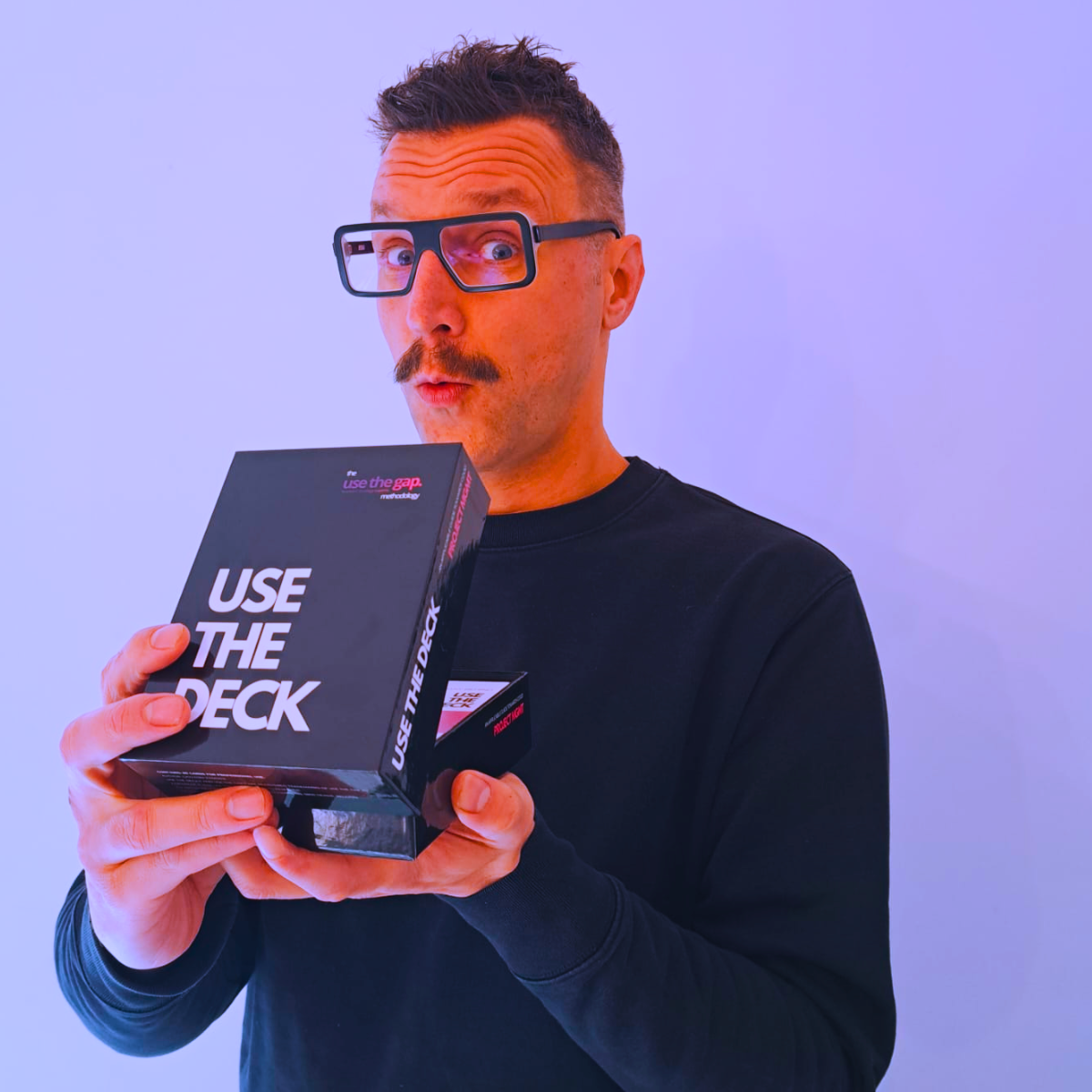
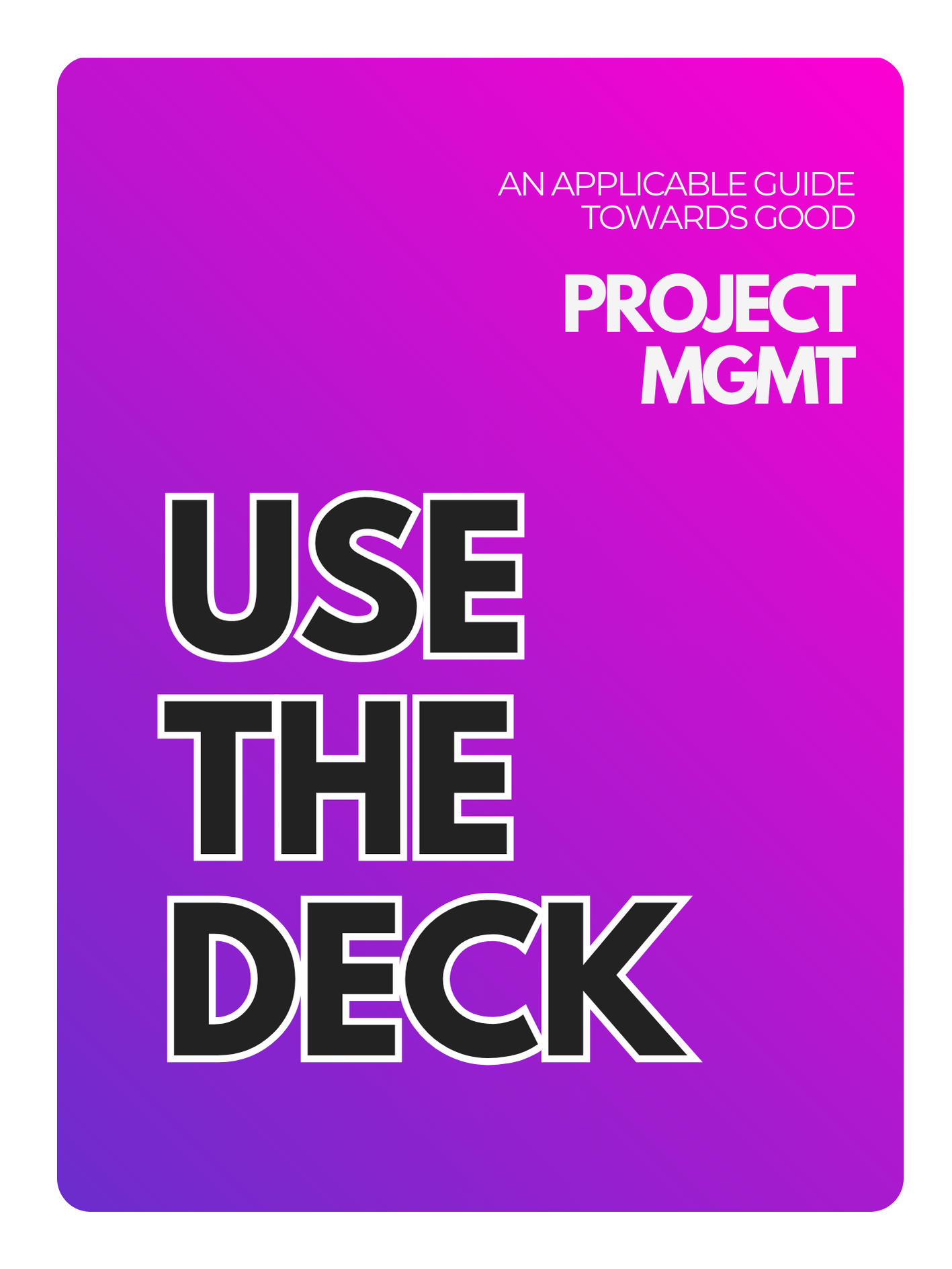
At Use The Gap, every consultant works with Use The Deck:
a smart, modular framework that adapts to your organisation, your people, and your pace.
(read more about it hereunder)
We designed it to do what traditional consultancy often doesn’t:
Theory doesn’t deliver.
Using it does.
So we made it usable.
We took the best from proven methodologies
like PMBOK, ITIL, Lean, Agile, and more
—and turned them into actionable cards.
No fluff. No 900 pages. No frameworks to interpret.
Just what works.
Ready to use.
That's right.
No app, but a real physical carddeck you can lay in front of you and use.
It contains 80 cards, structured into:
Each block contains 7–10 tactics.
Each tactic is immediately usable through:
A practical decision-based guide that supports you in managing your project from start to finish.
Make the right moves at the right time to ensure project goals are achieved and sponsors and stakeholders are left smiling.
Why?
Because this deck focuses on what really matters at each moment: aligning expectations, reducing risk, and delivering meaningful results. It helps to navigate complex environments with confidence by offering tangible, battle-tested tactics —
not theory, but tools you can actually use.
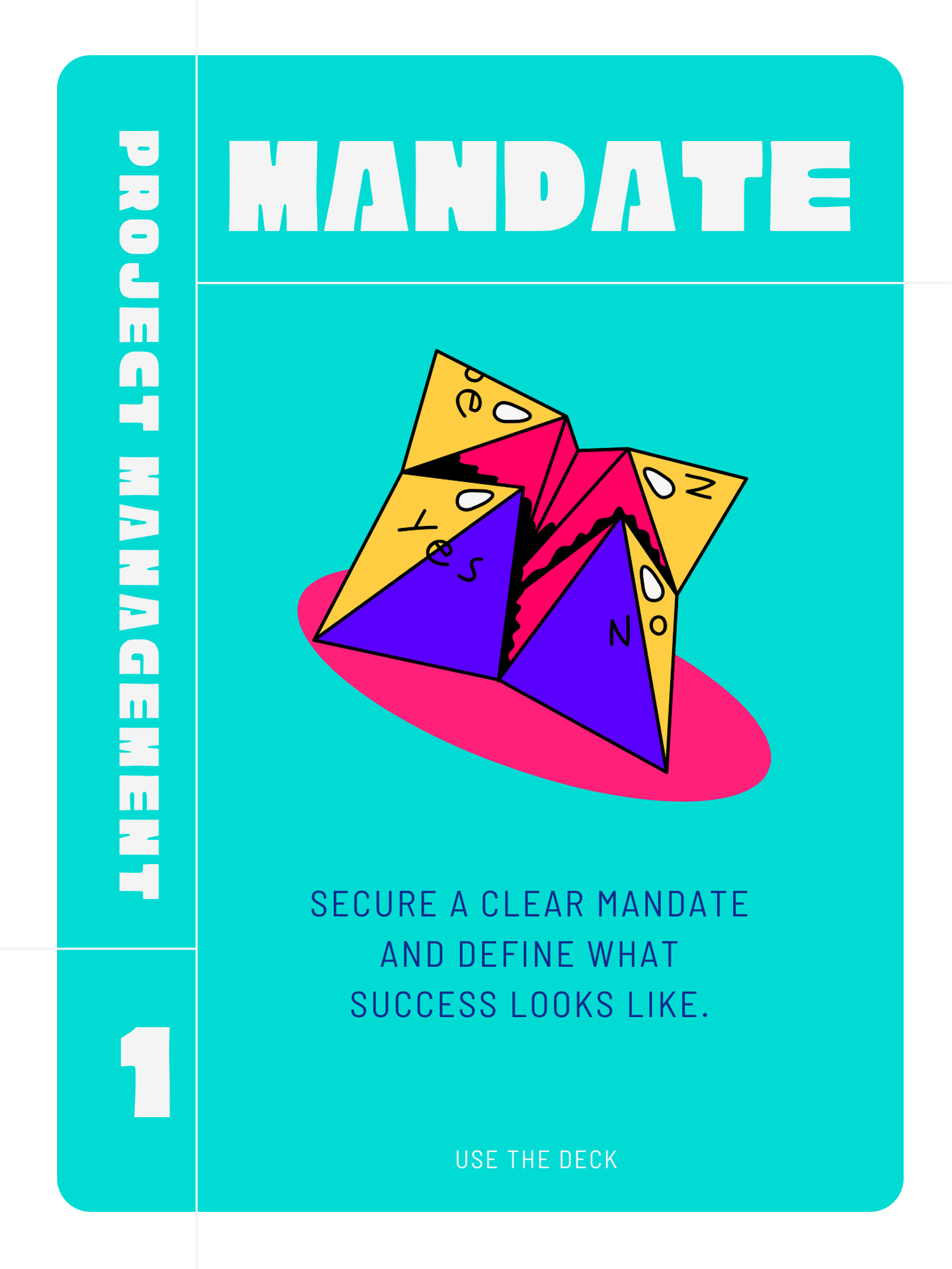
This block creates fundamental clarity:
why are we doing this, for whom, and what does success mean?
It anchors the problem definition, sponsor expectations, business case, and boundaries.
Without a mandate -
Scope discussions and disappointment.
Core -
Supported clarity: WHAT and especially WHY.
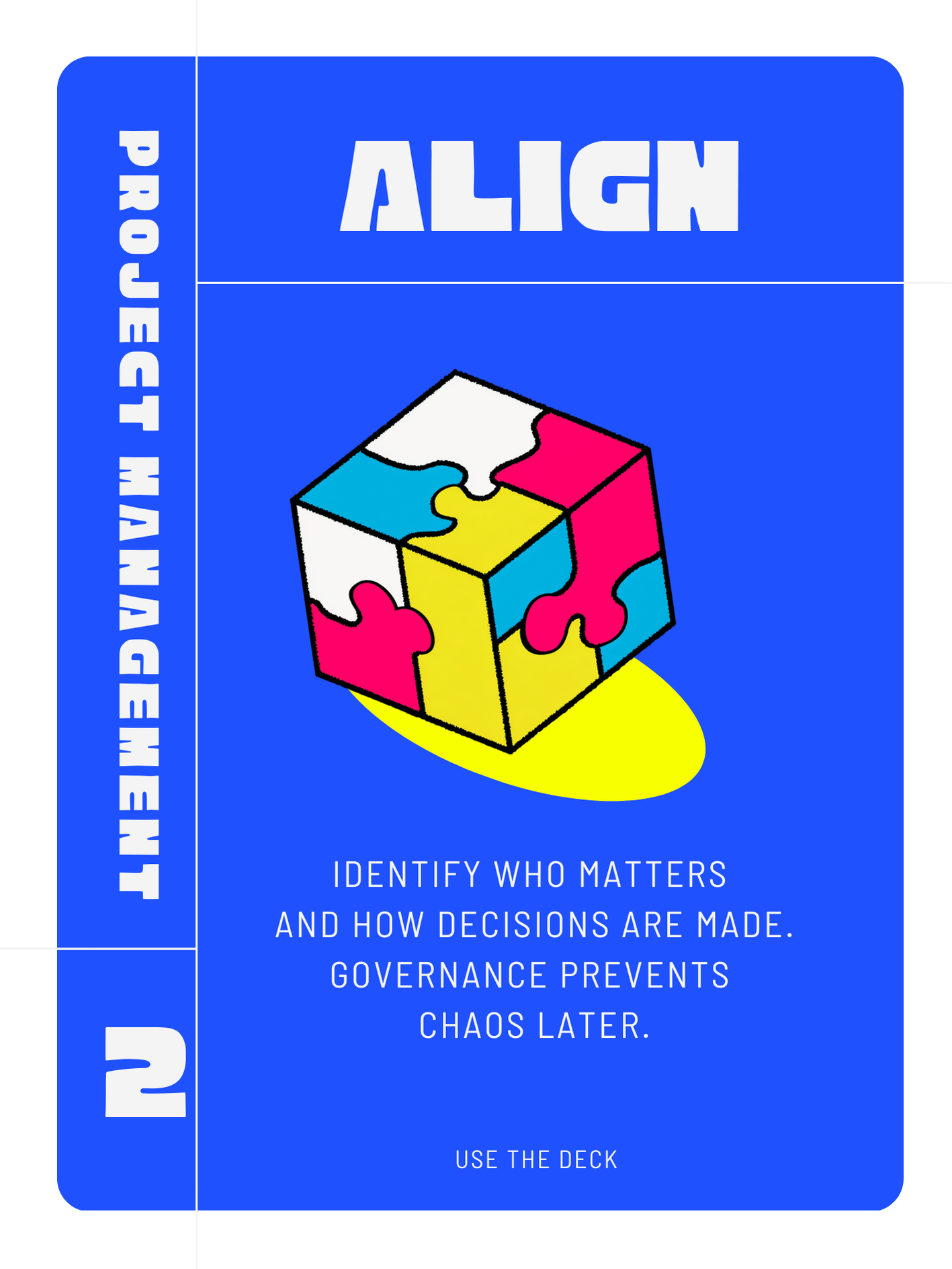
Power, influence, and governance are mapped out.
It makes explicit who is involved, who decides, who influences, and how escalation works.
Without alignment -
Conflicts and parallel instructions.
Governance prevents chaos.
Core -
Clarity on power, roles, and decision-making
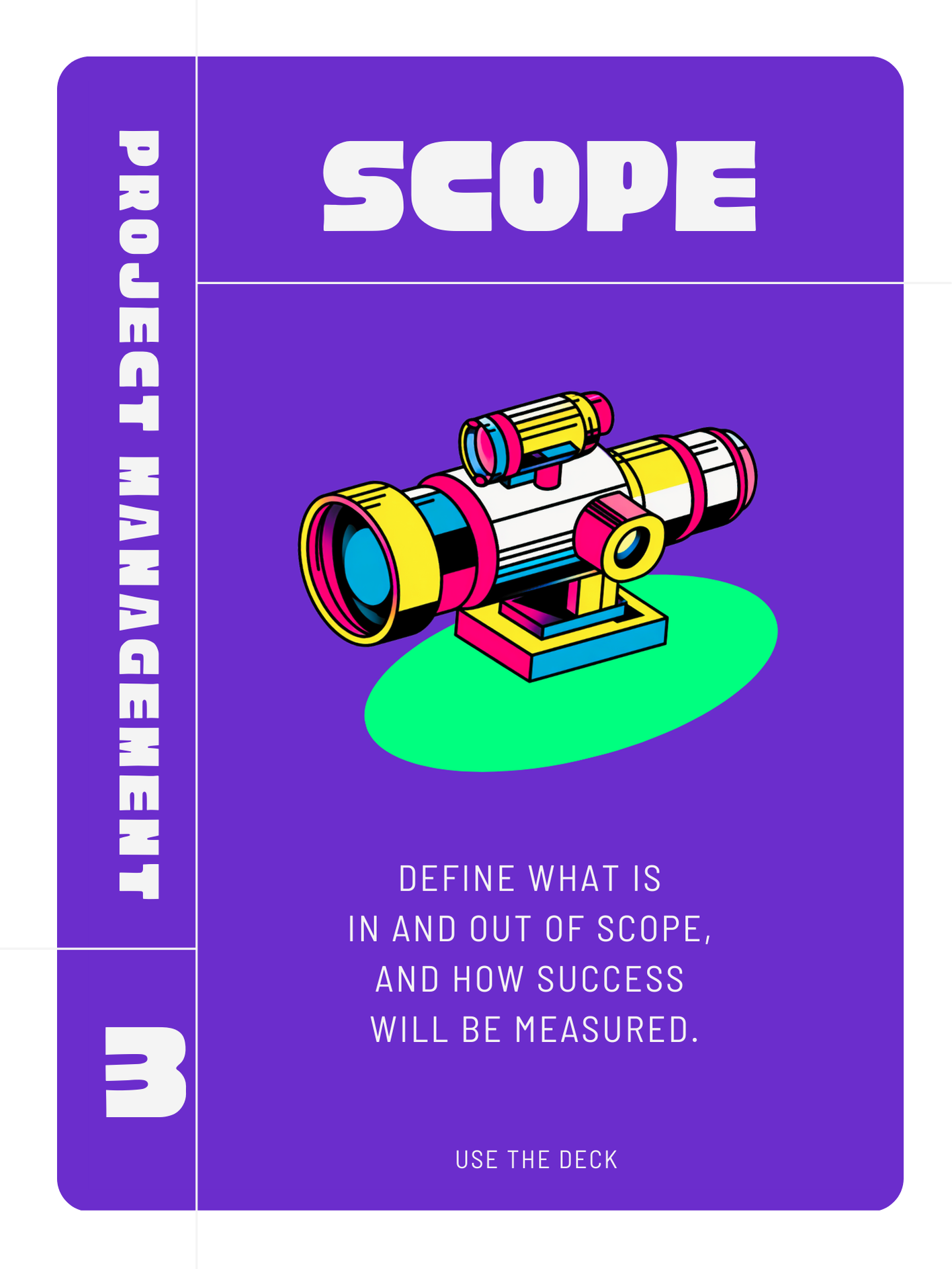
Here we define deliverables, outcomes, acceptance criteria, and boundaries.
A clear in-scope and out-of-scope protects focus, time, budget, and relationships.
Without scope -
No endpoint and endless discussions.
Core -
Boundaries and measurability protect progress
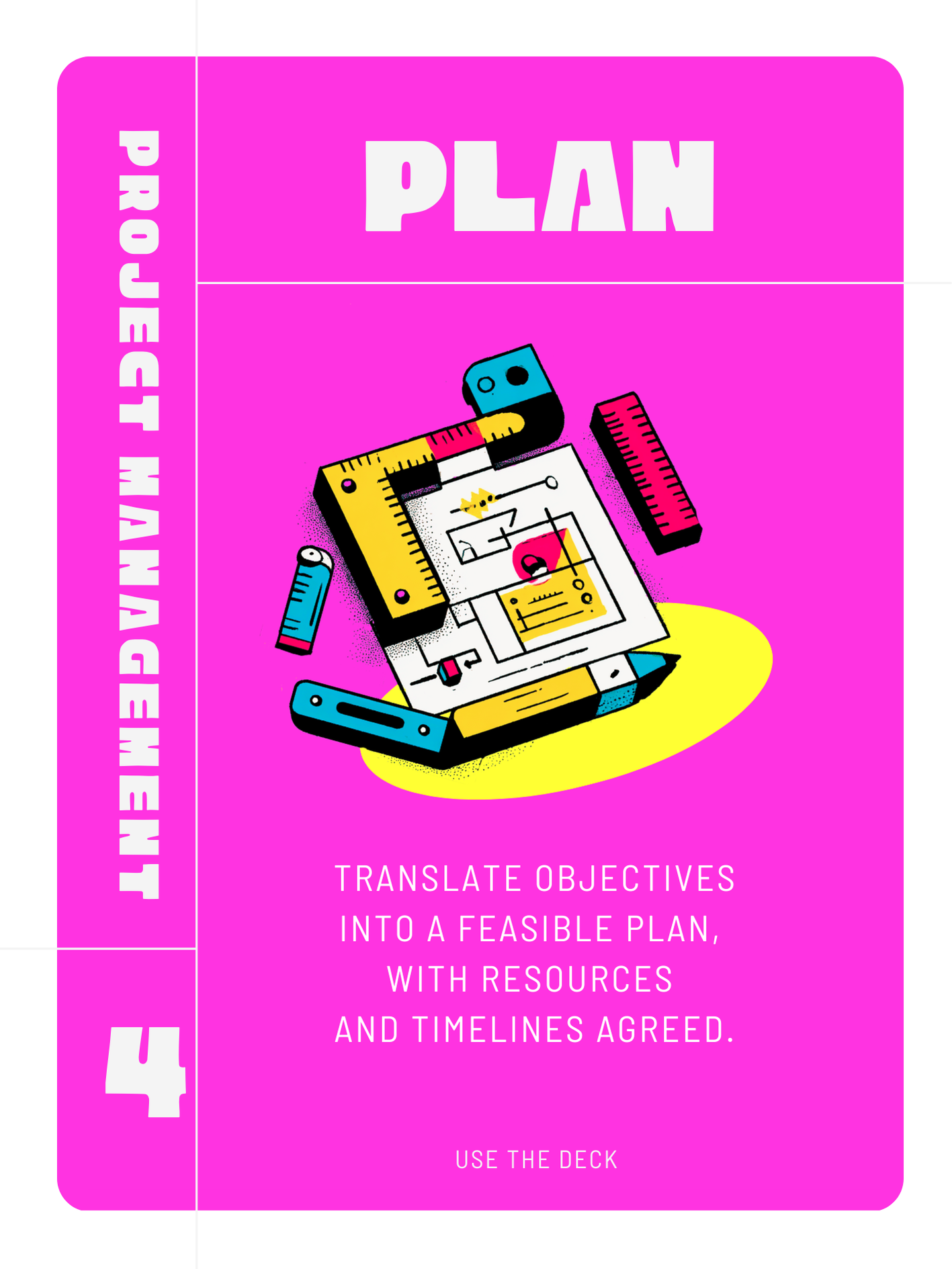
Objectives are translated into a realistic roadmap
with milestones, resources, budget, and dependencies.
Without a plan -
The project becomes reactive and inefficient.
Planning is a hypothesis that is continuously tested.
Core -
Realistic translation into action and predictability
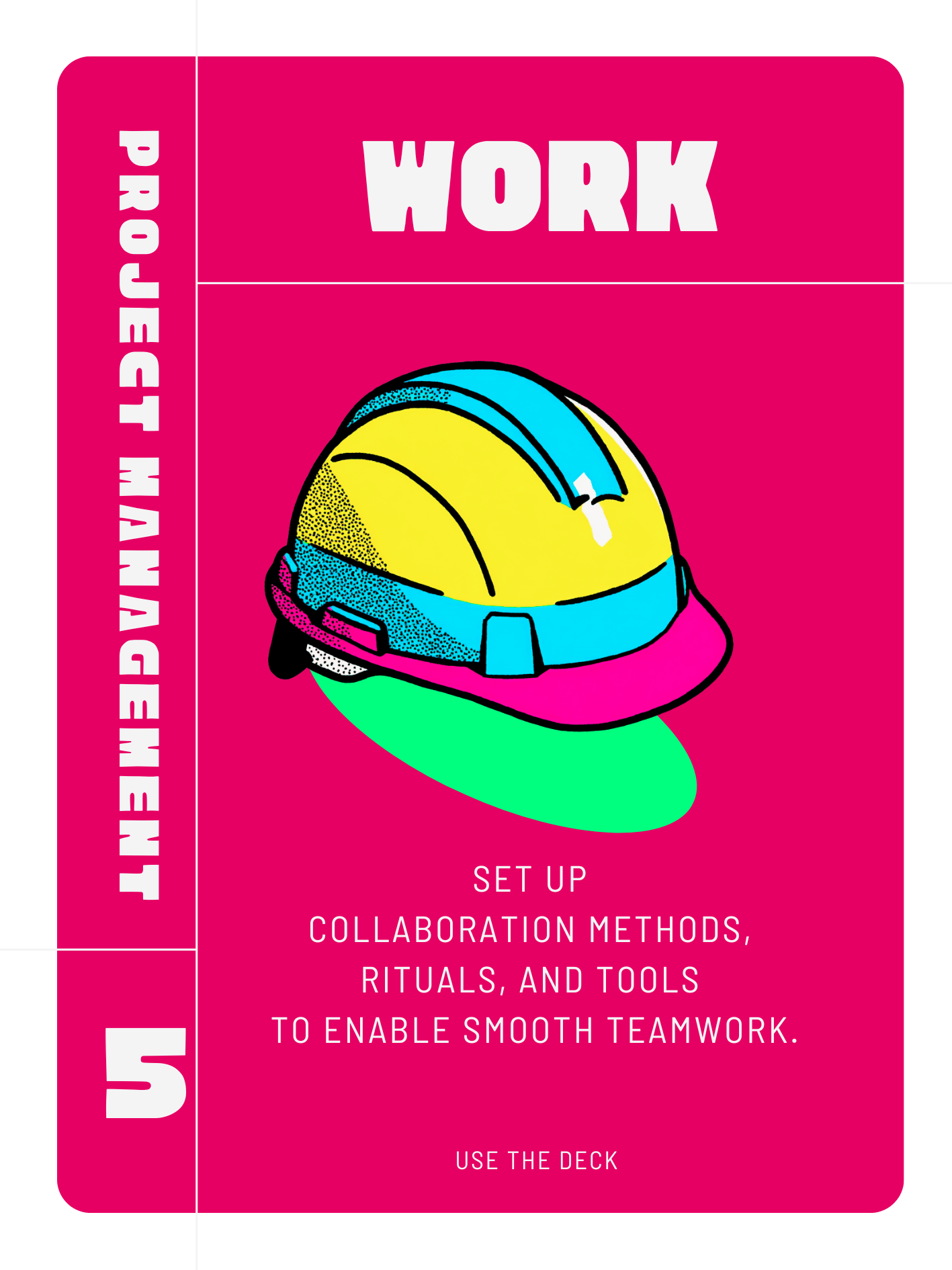
Focus on team agreements, rhythm, tooling, and safety.
Good collaboration is not a given.
Without a clear way of working -
Chaos and duplication.
But also misunderstanding, silos, and confusion.
Rituals and clear agreements create flow.
Core -
Strong agreements enable strong delivery
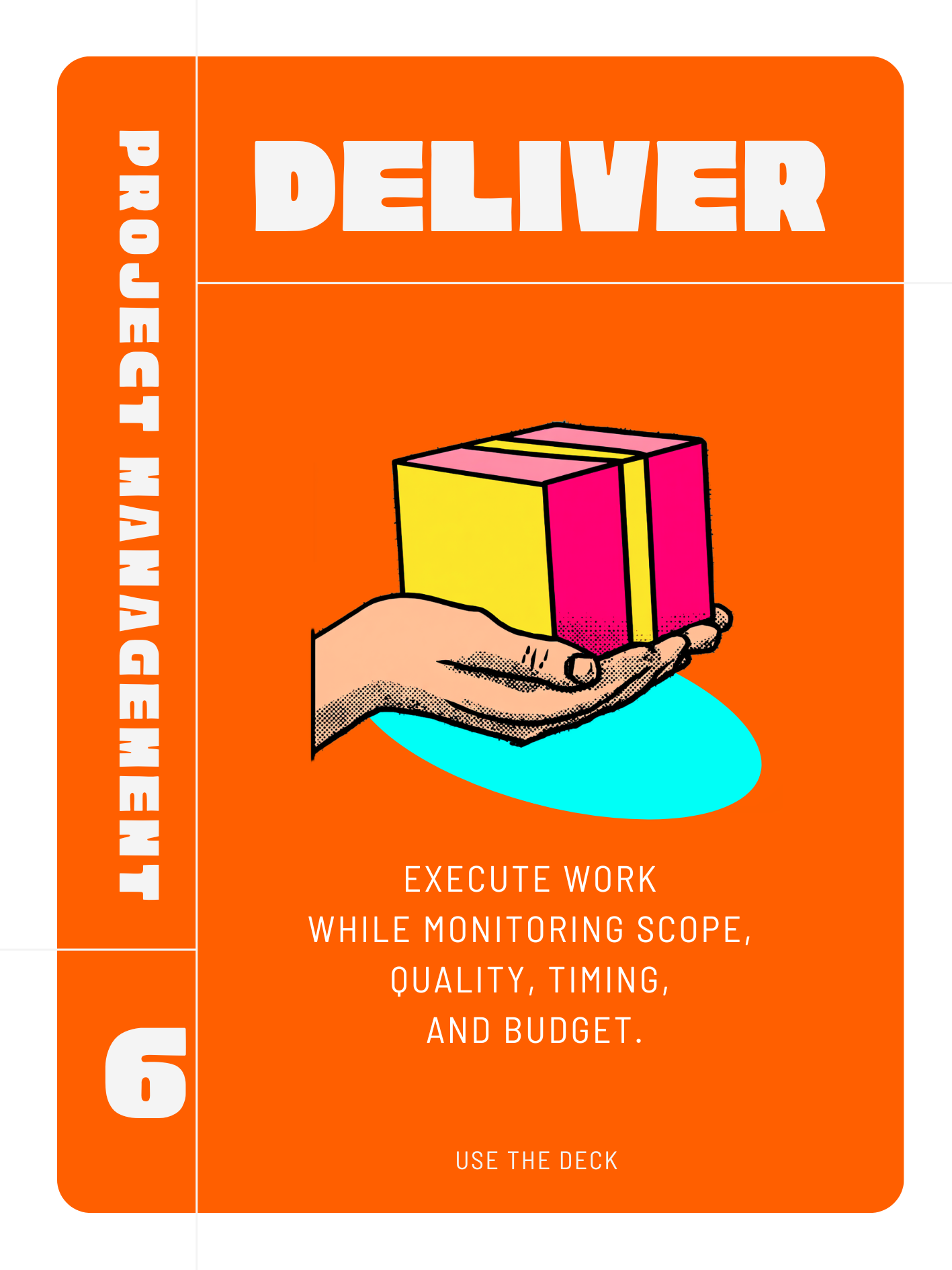
This is the execution engine.
Ideas became agreements and now become reality.
Work is delivered, KPIs are monitored and adjusted.
Without control mechanisms -
Drift occurs.
Monitoring protects value.
Core -
Execute and follow up: measure, monitor, correct
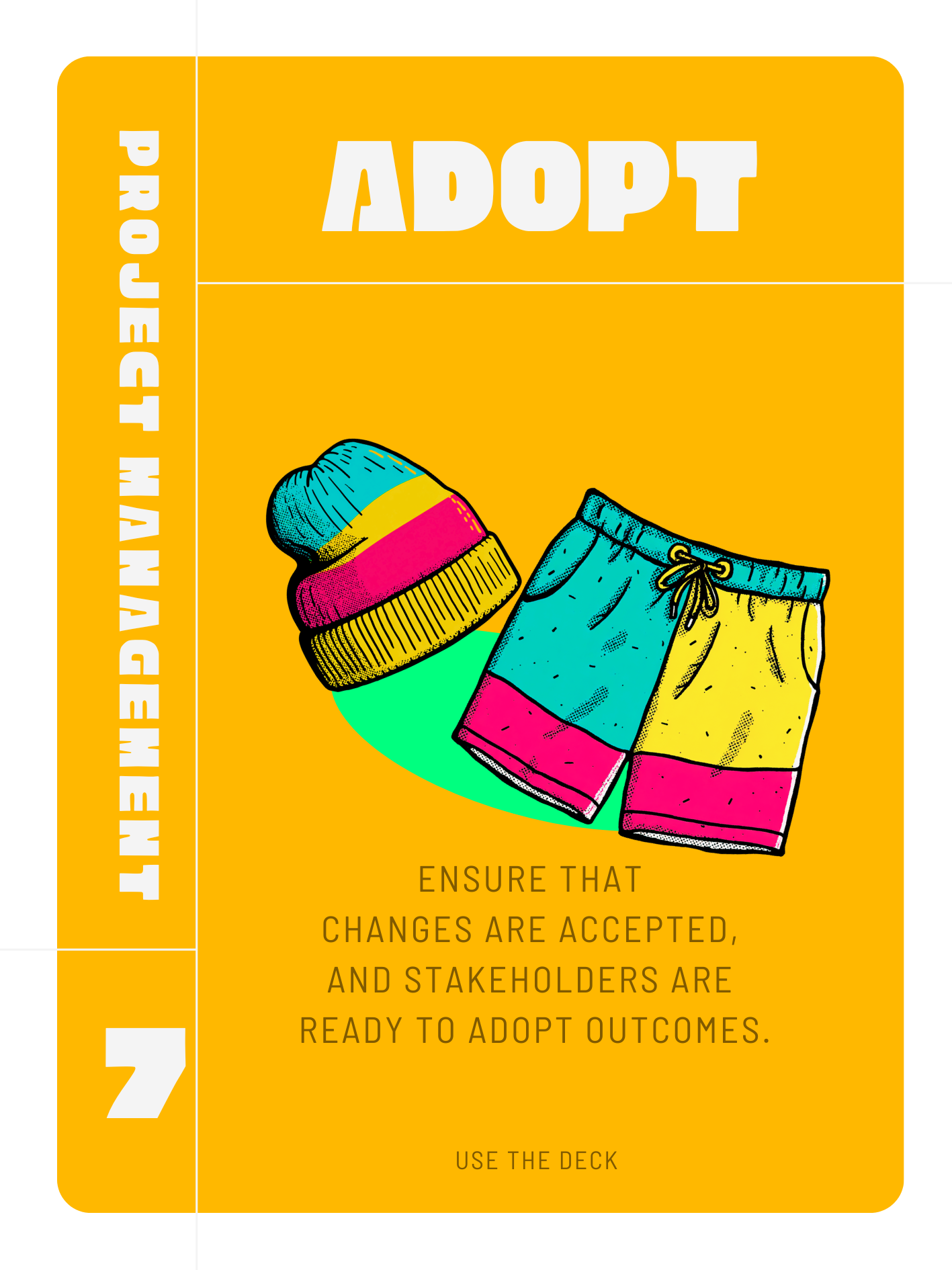
Delivery is not the same as impact.
Change only exists when it is accepted and adopted by stakeholders.
Without behavioral change -
There is no value.
A proactive change approach and follow-up are key.
Core -
Behavioral change: impact over output
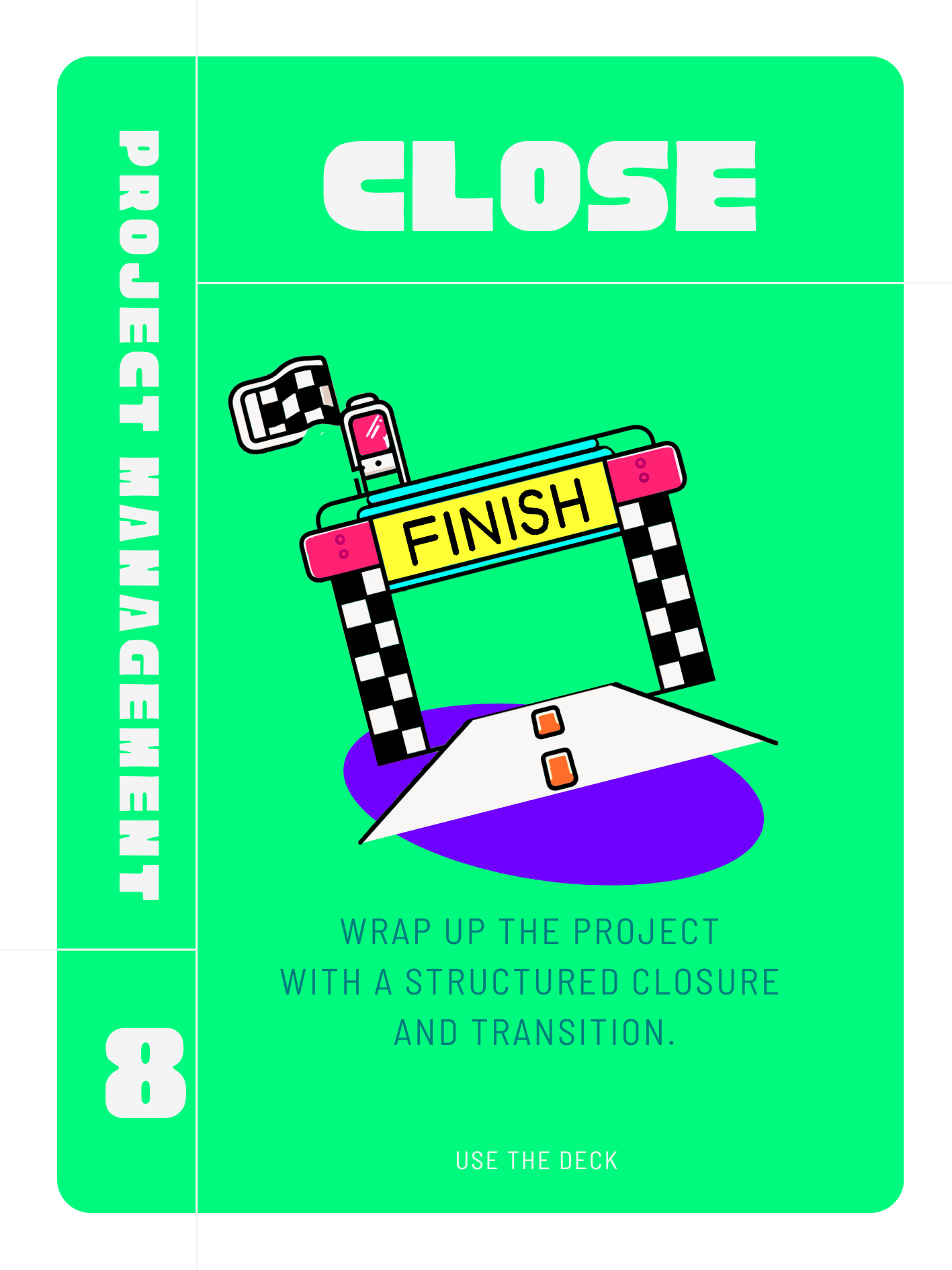
The transition from “project” to “business as usual”
is a strategic step, not a formality.
It ensures formal acceptance, knowledge capture,
and the realization and measurement of value.
Without closure -
Ownership fades and knowledge is lost.
Core -
Embedding and handover
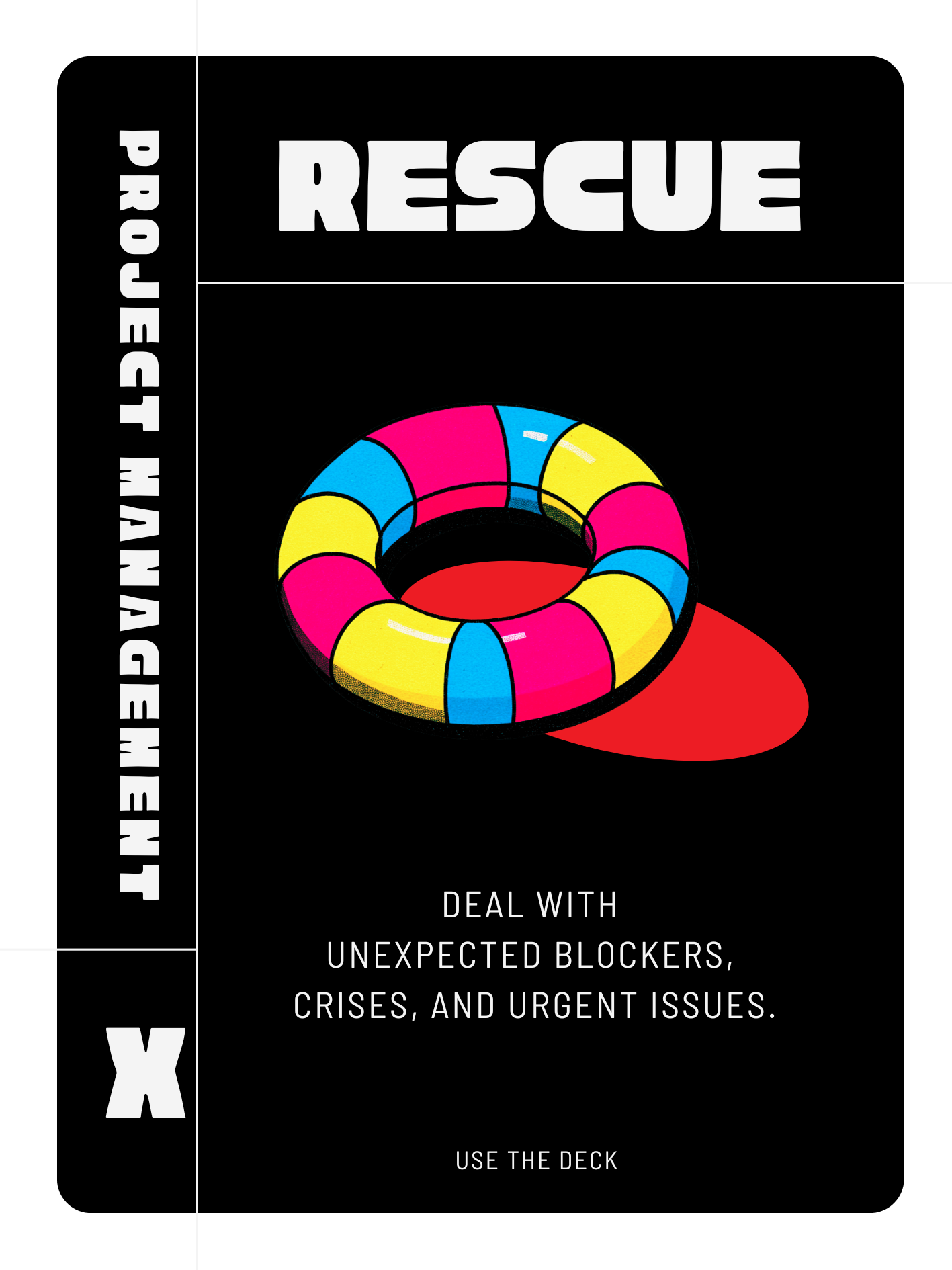
The emergency protocol, applicable in any block when needed.
It provides structure in crises, blockages, or management/political storms.
Goal -
stabilize, restore trust, and buy time for replanning.
Core -
Crisis management: stabilize before accelerating
Than why not contact the author, Giovanni Pannier, directly?
Knowing Gio, he’s already looking forward to having a chat with you about it.